

rectangular frameless bathroom mirror
The Importance of Pressure Water Valves in Modern Systems In today’s complex infrastructure, pressure water valves play a crucial role in various applications, ranging from municipal water supply systems to industrial processes. These valves are instrumental in regulating water pressure, ensuring efficiency, safety, and reliability in fluid dynamics. In this article, we will explore the significance of pressure water valves, their functions, types, and the technology driving their advancement. Understanding Pressure Water Valves Pressure water valves are mechanical devices designed to control the flow and pressure of water within a system. They can modulate, redirect, or shut off water flow as needed, maintaining the desired pressure levels and preventing potential damages or failures in the system. Properly functioning pressure valves are vital for both residential and commercial systems, ensuring that water supply remains consistent and safe. Key Functions of Pressure Water Valves 1. Pressure Regulation One of the primary functions of pressure water valves is to maintain stable water pressure within set parameters. This regulation helps in preventing excessive pressure that can lead to pipe bursts, leaks, or system failures. 2. Flow Control These valves allow for precise control over the amount of water flowing through a system. Users can adjust the valve settings to match specific requirements, ensuring efficient use of water resources. 3. Safety Mechanism Pressure water valves serve as safety devices . In case of pressure surges, these valves can automatically close or divert the flow, preventing potential damage to the entire system. 4. Protection Against Backflow Many pressure water valves include backflow prevention features, ensuring that contaminated water does not flow back into the main supply, thus protecting public health. Types of Pressure Water Valves pressure water valve There are various types of pressure water valves, each designed for specific applications - Pressure Relief Valves These valves automatically release excess pressure from the system, ensuring it does not exceed safe levels. They are critical in industrial applications where high-pressure systems are commonplace. - Pressure Reducing Valves These devices lower the incoming water pressure to a predetermined level, making them essential for residential homes where municipal water supply pressure might be too high for safe use. - Control Valves Used extensively in automated systems, control valves adjust flow rates based on signals from pressure sensors or other control systems, ensuring that the system operates within desired parameters. Advances in Technology The field of pressure water valves has seen significant technological advancements in recent years. Smart valves equipped with sensors and IoT capabilities allow for real-time monitoring and adjustments. These innovations improve efficiency, reduce water waste, and ensure better management of resources. The integration of predictive maintenance technology is another exciting development. By utilizing data analytics, operators can anticipate issues before they occur, reducing downtime and maintenance costs. As technology continues to evolve, the role of pressure water valves in ensuring the smooth operation of water systems will become increasingly sophisticated. Conclusion In conclusion, pressure water valves are indispensable components in the management and distribution of water across various systems. Their ability to regulate pressure, control flow, and provide essential safety mechanisms underpins the efficiency and reliability of modern water infrastructure. As technology progresses, the evolution of pressure water valves will continue to enhance their functionality, ensuring that they meet the challenges of today’s ever-growing water demands. It is vital for engineers, operators, and users to understand the importance of these valves in safeguarding water systems, contributing to efficient and sustainable management of one of our most precious resources.
about
rectangular frameless bathroom mirror
Stalowe płyty pomiarowe z żeliwa szarego Kluczowy element w precyzyjnym pomiarze W dzisiejszym przemyśle motoryzacyjnym, lotniczym i wielu innych branżach inżynieryjnych, precyzyjny pomiar jest absolutnie niezbędny. Jednym z najważniejszych narzędzi służących do osiągnięcia tej precyzji są żeliwne płyty pomiarowe z odpowiednio przygotowanymi rowkami T, które umożliwiają stabilne mocowanie różnych narzędzi, przyrządów i elementów. W artykule tym omówimy, dlaczego płyty te są tak istotne oraz jakie mają zastosowanie. Czym są płyty pomiarowe z żeliwa szarego? Płyty pomiarowe, w tym te wykonane z żeliwa szarego, to duże, płaskie powierzchnie, które są stosowane jako podstawa do pomiarów mechanicznych. Żeliwo szare jest preferowanym materiałem ze względu na swoje właściwości, takie jak wysoka stabilność wymiarowa, odporność na odkształcenia oraz doskonałe właściwości tłumiące drgania. Te cechy sprawiają, że płyty z tego materiału są idealne do precyzyjnych pomiarów, szczególnie w warunkach produkcji przemysłowej. Rowki T - zastosowanie i korzyści Jednym z kluczowych elementów tych płyt są rowki T, które są frezowane na powierzchni płyty. Rowki te służą do mocowania różnych narzędzi, takich jak większe przyrządy pomiarowe czy elementy do obróbki. Dzięki nim użytkownik może w łatwy sposób ustawić i zabezpieczyć narzędzie w odpowiedniej pozycji . Stabilność mocowania jest kluczowa, aby uniknąć błędów pomiarowych, które mogą prowadzić do wadliwych produktów lub niezgodności w procesach produkcyjnych. t slot cast iron surface plate Dzięki rowkom T, płyty pomiarowe z żeliwa szarego stają się wszechstronny narzędziem, umożliwiającym różne konfiguracje. Użytkownicy mogą łatwo dostosować położenie narzędzi, co zwiększa elastyczność i efektywność procesów pomiarowych i obróbczych. Zastosowania płyt pomiarowych z żeliwa szarego Płyty pomiarowe są wykorzystywane w różnych dziedzinach przemysłu. W warsztatach mechanicznych i zakładach produkcyjnych służą do oceniania tolerancji wymiarów, sprawdzania prostoliniowości oraz pomagają w ustawianiu maszyn i narzędzi. W laboratoriach metrologicznych płyty te są często stosowane jako baza do bardziej zaawansowanych pomiarów, w tym pomiarów kątów, wysokości czy poziomości. Dzięki swojej wytrzymałości i stabilności, płyty pomiarowe z żeliwa szarego są również wykorzystywane w przemyśle motoryzacyjnym do pomiarów części silników czy podzespołów układów napędowych. W przemyśle lotniczym z kolei, gdzie precyzja jest kluczowa, te płyty stanowią podstawę dla dalszych analiz i badań nad nowymi technologiami oraz komponentami. Podsumowanie Płyty pomiarowe z żeliwa szarego z rowkami T są niezwykle ważnym narzędziem w nowoczesnym przemyśle. Ich właściwości materiałowe oraz wszechstronność w zastosowaniach pomiarowych czynią je niezastąpionymi w wielu branżach. Zapewniając stabilność i precyzję, te płyty przyczyniają się do zachowania wysokich standardów jakości w produkcji i inżynierii. W miarę rozwoju technologii ważność tych narzędzi będzie tylko rosła, a ich zastosowania będą się rozszerzać na nowe tereny przemysłowe.
-

High quality industrial productsagement

High quality industrial products
View Details -

Meet the diverse needs of customers

Meet the diverse needs of customers
View Details -

Strict quality control

Strict quality control
View Details -

Top raw materials

Top raw materials
View Details -

Trusted supplier

Trusted supplier
View Details
Our application

news and information
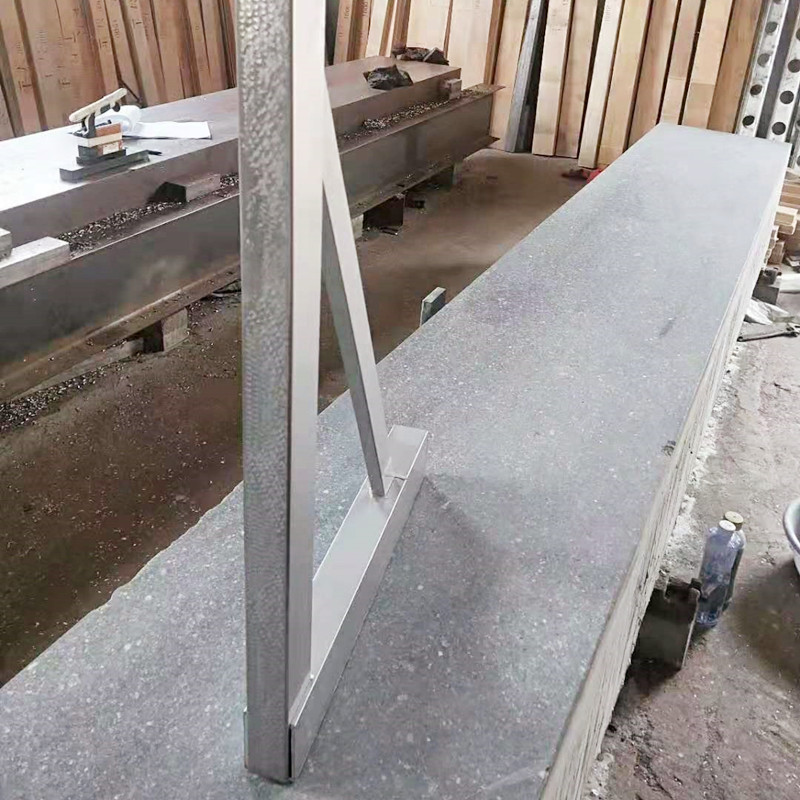
Versatile 3D Welding Table for Enhanced Fabrication and Precision Work
The Importance and Advantages of 3D Welding Tables in Modern Fabrication In the world of metal fabri
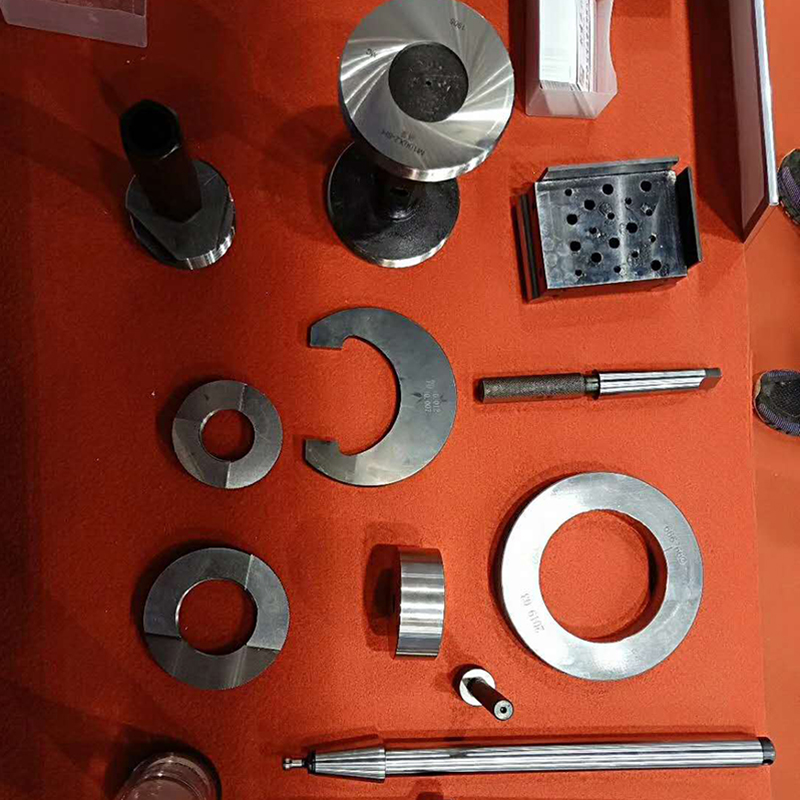
What is the Use of a Thread Ring Gauge_
When it comes to precision in manufacturing and quality control, ensuring the accuracy of threads is
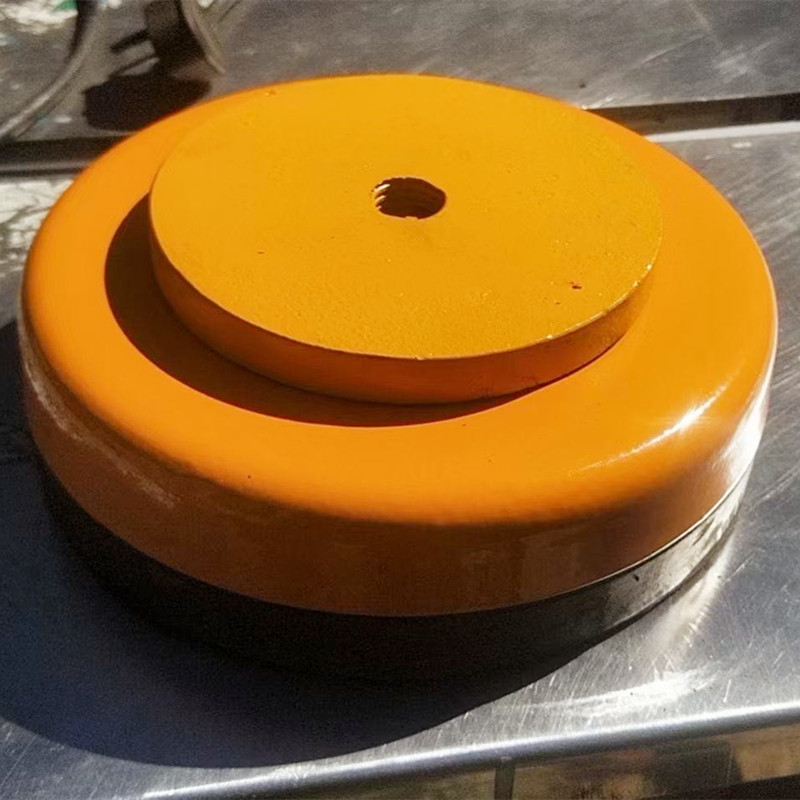
valve manufacturer
Navigating the landscape of valve manufacturers can be a challenging endeavor, particularly when sea
 English